

Budgeting For a Conversion Van
CONVERSION VAN BUYING GUIDE
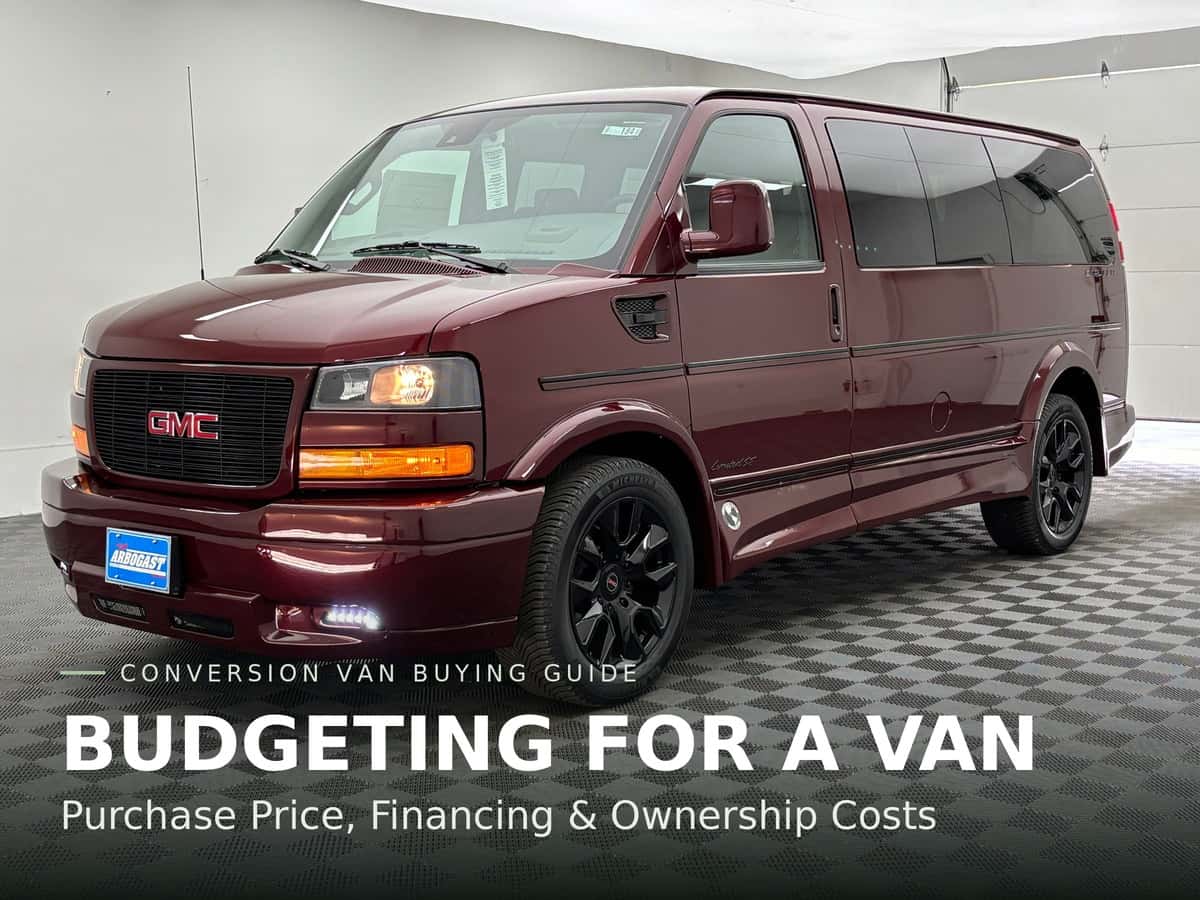
Budgeting for a conversion van starts with more than the advertised price. The right financial plan accounts for the vehicle itself, your down payment, potential financing costs, taxes and fees, and the expenses of keeping the van on the road. Thinking through those numbers before shopping makes it easier to compare vehicles and choose one that fits your needs without stretching your budget too far.
Quick Answer: What Should You Budget For?
Plan for the total cost of buying and owning the van, not just the sticker price or monthly payment. Compare the vehicle price, down payment, financing terms, taxes and registration, insurance, fuel, routine maintenance and a reserve for unexpected repairs. The right budget depends on the van you choose, how you use it and your overall financial situation.
1. Start With the Purchase Price
Conversion vans vary considerably in price because shoppers are choosing more than a basic passenger vehicle. Model year, mileage, condition, conversion manufacturer, seating configuration and installed equipment can all influence what a particular van costs.
A new conversion van may appeal to buyers who want a newer vehicle and a particular combination of features. A used conversion van may provide a different balance of price, age, mileage and equipment. Neither option is automatically the better value; the important question is which specific vehicle delivers what you need at a price you can comfortably manage.
When comparing options, look beyond the exterior and seating arrangement. Consider the condition of the conversion interior, the operation of its equipment, available maintenance records and any features you would otherwise need to add. A lower asking price is not necessarily the lower-cost choice if the vehicle needs significant work.
Start by comparing new conversion vans and used conversion vans that match your passenger, comfort and travel requirements.
2. Calculate the Amount You Need to Finance
The vehicle price is only one part of the purchase calculation. Your down payment, any eligible trade-in equity, applicable taxes and fees, and the financing arrangement all affect the amount you may need to borrow.
A larger down payment can reduce the amount financed. If you plan to trade in your current vehicle, find out its potential value and whether an existing loan payoff affects the equity available for your next purchase. You can begin that process with the conversion van valuation resource.
When reviewing financing, compare the interest rate, loan term, total interest paid and overall amount financed—not only the monthly payment. A longer loan term may reduce the scheduled monthly payment while increasing the total interest paid over the life of the loan.
Use the conversion van payment calculator to explore different vehicle prices, down payments, trade-in values and loan terms. The result is an estimate, not a financing offer or guarantee of approval.
3. Account for the Costs Beyond the Sale
A realistic conversion van budget includes recurring ownership expenses. These costs vary with the vehicle, your location, annual mileage and how you use the van.
Build These Expenses Into Your Budget
- Taxes, title and registration: Account for the charges applicable to your purchase and state of registration.
- Insurance: Request a quote for the specific vehicle before committing to a purchase.
- Fuel: Estimate your typical mileage and likely driving patterns rather than assuming every trip will have the same cost.
- Routine maintenance: Set aside money for scheduled service, tires, fluids and other wear-related items.
- Unexpected repairs: Keep a separate reserve, particularly when buying a used vehicle with more miles or an uncertain service history.
- Travel and delivery: If you are buying from another state, confirm any applicable transportation, delivery or travel costs before finalizing your budget.
Some conversion vans have additional interior systems or equipment that deserve attention during an inspection. Ask about the condition and operation of the features installed on the specific van you are considering, and include any recommended maintenance in your financial plan.
4. Choose a Budget That Fits Your Life
The right conversion van budget is personal. A family that regularly travels with several passengers may place a higher value on seating and passenger comfort. A retired couple planning occasional road trips may prioritize a different mix of interior features, mileage and purchase price.
Before choosing a vehicle, consider how frequently you will drive it, how many passengers you normally carry, how much luggage you bring and which conversion features matter most. Prioritize the equipment you will genuinely use rather than paying more for features that do not fit your plans.
Set a comfortable monthly ownership budget before comparing financing scenarios. Include your estimated payment, insurance, fuel and maintenance savings. Leave room for other household expenses and unexpected costs instead of treating the maximum available loan amount as your spending target.
5. Compare the Complete Cost Before Deciding
Once you have identified a few potential vans, compare them using the same criteria. This helps reveal meaningful differences that an advertised price alone may not show.
| Budget item | What to verify |
|---|---|
| Purchase | Vehicle price, condition, mileage and installed equipment. |
| Financing | Down payment, trade equity, interest rate, loan term and total borrowing cost. |
| Purchase fees | Applicable taxes, title, registration and other fees. |
| Ownership | Insurance, fuel, scheduled maintenance and a repair reserve. |
| Your needs | Passenger capacity, travel habits, storage and the conversion features you will use. |
A useful comparison gives you a clearer picture of what each van will cost to purchase and operate. It also helps you identify which differences justify spending more and where a different vehicle may offer a better fit.
Frequently Asked Questions About Conversion Van Budgeting
Is a used conversion van less expensive to own?
A used van may have a lower purchase price than a comparable new vehicle, but total ownership costs depend on its condition, maintenance needs, mileage, insurance and financing. Review the individual vehicle carefully rather than assuming its age determines its overall value.
How can I estimate my conversion van payment?
Start with the amount financed, estimated interest rate and loan term. Adjust the down payment and trade-in value to explore different scenarios with the online payment calculator. Actual financing terms and payments depend on the final transaction and approved financing.
Should I include maintenance in my monthly budget?
Yes. Set aside money regularly for routine service, tires and unexpected repairs. The amount will depend on the specific van, its maintenance history, condition and how much you drive.
Can I use my current vehicle as a trade-in?
A trade-in may help reduce the amount you need to finance, depending on its value and any outstanding loan balance. Request an appraisal and review the payoff amount before calculating how much equity you can apply to the next purchase.
Find a Conversion Van That Fits Your Budget
A well-planned budget makes it easier to focus on the conversion vans that fit your needs and financial priorities. Compare specific vehicles, estimate the complete ownership cost and review financing options before making a decision.
Explore the available new conversion vans and used conversion vans, or visit the Dave Arbogast Conversion Vans finance center to explore your next steps.

0 comment(s) so far on Budgeting For a Conversion Van