


What to Look for When Buying a Used Explorer Conversion Van
USED CONVERSION VAN BUYING GUIDE
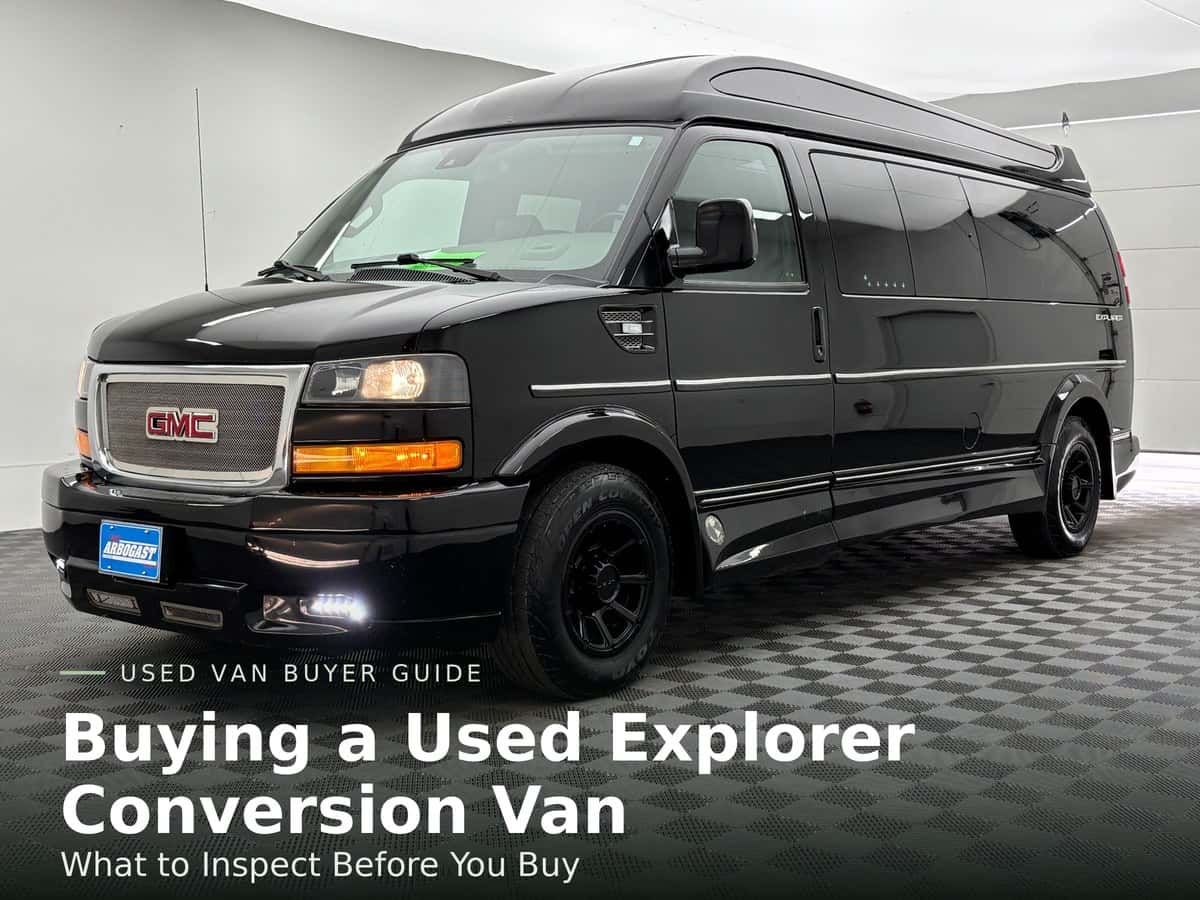
Buying a used Explorer conversion van means evaluating more than the condition of the vehicle itself. You also want to understand how the conversion interior has been maintained, whether its equipment works properly, and whether the van’s service history supports the purchase.
A well-chosen used conversion van can offer the passenger space, comfort, and flexible seating that make family trips and long-distance travel more enjoyable. The key is to inspect both parts of the vehicle: the original van and the Explorer conversion. Here’s what to check before making a decision.
Quick Answer: What Should You Inspect?
When shopping for a used Explorer conversion van, review the vehicle history and maintenance records, inspect the engine and chassis, test the interior equipment, examine the seats and upholstery, verify the operation of doors and windows, and arrange an independent mechanical inspection. Features and equipment vary by model year and individual vehicle, so confirm what the specific van includes rather than relying on a general description.
1. Review the Vehicle History and Maintenance Records
Start with the van’s history before focusing on cosmetic details. Maintenance records can help you understand how the vehicle was cared for, what work has already been completed, and whether any recurring problems deserve further investigation.
Ask the seller for available documentation covering:
- Routine maintenance, including oil changes and scheduled service.
- Repairs involving the engine, transmission, cooling system, brakes, or suspension.
- Accident history, collision repairs, or structural damage.
- Previous ownership and available vehicle history reports.
- Records of repairs or upgrades to the conversion interior and its equipment.
Mileage is useful, but it should not be the only factor in your decision. A higher-mileage van with consistent maintenance records may deserve closer consideration than a lower-mileage vehicle with an unclear history. Neither mileage nor a clean-looking exterior can replace a thorough inspection.
2. Inspect the Original Van and Chassis
An Explorer conversion van still depends on the underlying vehicle for reliable transportation. The condition of the engine, transmission, brakes, suspension, steering, tires, and other mechanical systems matters just as much as the interior amenities.
During an initial inspection, look for these warning signs:
- Fluid leaks: Look for fresh or accumulated fluid beneath the van and around accessible engine components.
- Unusual noises: Listen for knocking, grinding, rattling, or other sounds that may indicate a mechanical concern.
- Tire wear: Uneven wear can warrant further evaluation of alignment, suspension, tire condition, or maintenance history.
- Rust or damage: Check accessible body and underbody areas for corrosion, previous repairs, or signs of damage.
- Warning lights: Confirm that dashboard warning indicators behave as expected and investigate any that remain illuminated.
- Braking and steering: During a safe test drive, pay attention to unusual vibrations, pulling, noises, or changes in handling.
If possible, inspect the van when the engine is cold and arrange a test drive that allows you to evaluate its behavior at different speeds. A professional mechanic can check areas that are difficult to assess during a walkaround, including the underside of the vehicle and its major mechanical systems.
3. Examine the Explorer Conversion Interior
The conversion is a major part of what distinguishes an Explorer conversion van from a standard passenger van. Its interior condition can affect everyday comfort, usability, and the amount of work you may need to do after purchasing it.
Inspect the following areas carefully:
- Seats and upholstery: Check for torn material, worn cushions, damaged stitching, stains, and loose trim.
- Carpeting and flooring: Look for excessive wear, dampness, unusual odors, or evidence of previous water intrusion.
- Interior trim: Examine panels, cabinetry or storage components if equipped, and decorative surfaces for damage or loose fittings.
- Lighting: Test the interior lights and any additional lighting equipment installed in the conversion.
- Windows and controls: Operate accessible windows, switches, and other powered features included with the specific vehicle.
- Electrical accessories: Test the entertainment system, charging outlets, and other installed electronics, where equipped.
A clean interior is encouraging, but appearance alone does not establish the condition of the conversion equipment. Operate the features you expect to use and ask about anything that is not working. Also check for mismatched trim, unfinished repairs, or signs that components have been removed or replaced.
For more information about the brand, visit our Explorer conversion van page to explore the conversion and available vehicle options.
4. Check the Seating Layout and Safety Equipment
The right seating arrangement depends on how you plan to use the van. Families may prioritize comfortable passenger seating for longer trips, while sports families and road-trip travelers may need a practical balance of seating and room for luggage or equipment.
Before buying, confirm the following:
- The actual passenger capacity of the specific van.
- The number and location of available seat belts.
- Whether seats and seat mechanisms operate and lock as intended.
- Whether the seating arrangement meets your family’s practical needs.
- Whether any modifications have been made to the original seating or restraint systems.
Never assume every conversion van has the same seating capacity or equipment. Verify the specific vehicle’s configuration, and have any questionable seat mounts, belts, or restraint components evaluated by a qualified professional before carrying passengers.
5. Test Every Door, Window, and Included Feature
Convenience features can make a conversion van especially useful for families and travelers, but they should work as expected. Test each relevant function rather than assuming it is operational because it appears on an equipment list.
Depending on the specific van, check:
- Side and rear door operation, including latches and locks.
- Power windows, door locks, and remote entry, if equipped.
- Rear climate controls and additional comfort features, if equipped.
- Audio, video, or entertainment equipment installed in the vehicle.
- Power outlets, auxiliary lighting, and other conversion accessories.
- Any folding or reclining seat mechanisms and other moving interior components.
Ask the seller to demonstrate unfamiliar controls and explain any features you cannot test during the initial visit. If a component does not work, determine whether the issue is minor or could require more extensive diagnosis or repair.
6. Make Sure the Layout Fits Your Travel Plans
Two conversion vans can look similar while offering different seating arrangements, equipment, and usable space. Think about how the van will work during a typical day, not just how it looks in a photograph.
Consider these practical questions:
- Can everyone who regularly travels with you sit comfortably?
- Is there enough room for suitcases, sports bags, strollers, or other equipment?
- Can passengers reach their seats and use the available features comfortably?
- Does the interior suit your usual driving and travel patterns?
- Are there any compromises in access, storage, or passenger space that would become inconvenient over time?
If possible, bring the family members or travel companions who will regularly use the van. Seeing the actual seating and storage arrangement can help you decide whether that specific configuration is right for you.
7. Arrange a Professional Pre-Purchase Inspection
Even if the van looks clean, drives well, and has an appealing interior, an independent inspection can help uncover concerns that are not obvious during a short visit. This is particularly valuable when purchasing an older vehicle or one with limited maintenance documentation.
Ask a qualified mechanic to evaluate the major mechanical systems and check for leaks, corrosion, worn components, diagnostic trouble codes, and signs of previous damage. If the conversion’s electrical equipment, seat mechanisms, or other specialized components need attention, ask whether a technician familiar with conversion vans should inspect them separately.
A pre-purchase inspection does not guarantee that future problems will not occur. It gives you a clearer picture of the vehicle’s current condition and may help you make a more informed decision before committing to the purchase.
For related ownership and repair information, you can also review our conversion van service resources.
Used Explorer Conversion Van Inspection Checklist
Use this checklist during your walkaround and test drive. Mark each item after checking it, and make a note of anything that needs additional investigation.
- Reviewed available vehicle history and maintenance records.
- Checked for visible leaks, corrosion, and signs of previous damage.
- Evaluated tire condition and visible suspension or brake concerns.
- Test-drove the van and listened for unusual noises.
- Inspected seats, upholstery, carpeting, trim, and storage areas.
- Confirmed the seating configuration and passenger capacity.
- Checked seat belts, seat mechanisms, and accessible restraint components.
- Tested doors, windows, locks, lights, and other included features.
- Tested available entertainment, climate, and electrical accessories.
- Arranged a professional inspection or documented the need for follow-up repairs.
Buying a Used Explorer Conversion Van From Out of State
You do not have to live near the dealership to shop for a used conversion van. However, buying remotely makes clear documentation and communication especially important.
Before traveling or arranging transportation, request:
- Current photos of the exterior, interior, tires, and any areas of concern.
- A clear description of the seating configuration and included equipment.
- Available maintenance records and vehicle history information.
- A demonstration of important powered features and interior equipment.
- An opportunity to discuss inspection arrangements and transportation logistics.
Ask specific questions and request clarification whenever a description is incomplete. Photographs and videos are useful, but they cannot replace an in-person or professional mechanical inspection. Confirm the purchase terms, vehicle documents, and any delivery arrangements before finalizing the transaction.
Frequently Asked Questions About Used Explorer Conversion Vans
What is the most important thing to check when buying a used Explorer conversion van?
Evaluate both the underlying van and the conversion interior. Maintenance history, mechanical condition, seating and restraint systems, and the operation of installed equipment all contribute to understanding the vehicle’s condition.
Should I have a used conversion van inspected before buying?
Yes. A professional pre-purchase inspection can identify mechanical issues, wear, leaks, and other concerns that may not be obvious during a walkaround or short test drive. Specialized conversion equipment may also need a separate evaluation.
Does every Explorer conversion van have the same features?
No. Seating arrangements, entertainment systems, convenience features, and other equipment can differ by vehicle, model year, and conversion configuration. Confirm the features and passenger capacity of the specific van you are considering.
Can I buy a used Explorer conversion van if I live in another state?
Yes, you can shop remotely, but request detailed vehicle information, review available records, and discuss inspection and transportation arrangements before purchasing. Make sure the van’s configuration and condition meet your needs before finalizing the transaction.
Find a Used Explorer Conversion Van That Fits Your Needs
The best used Explorer conversion van is one that fits your travel needs and has a condition you can evaluate with confidence. Take time to review its history, inspect the conversion, test its features, and arrange a professional mechanical assessment before making your decision.
When you’re ready to compare options, browse used conversion vans and focus on the specific vehicle’s condition, seating layout, equipment, and maintenance history.

0 comment(s) so far on What to Look for When Buying a Used Explorer Conversion Van